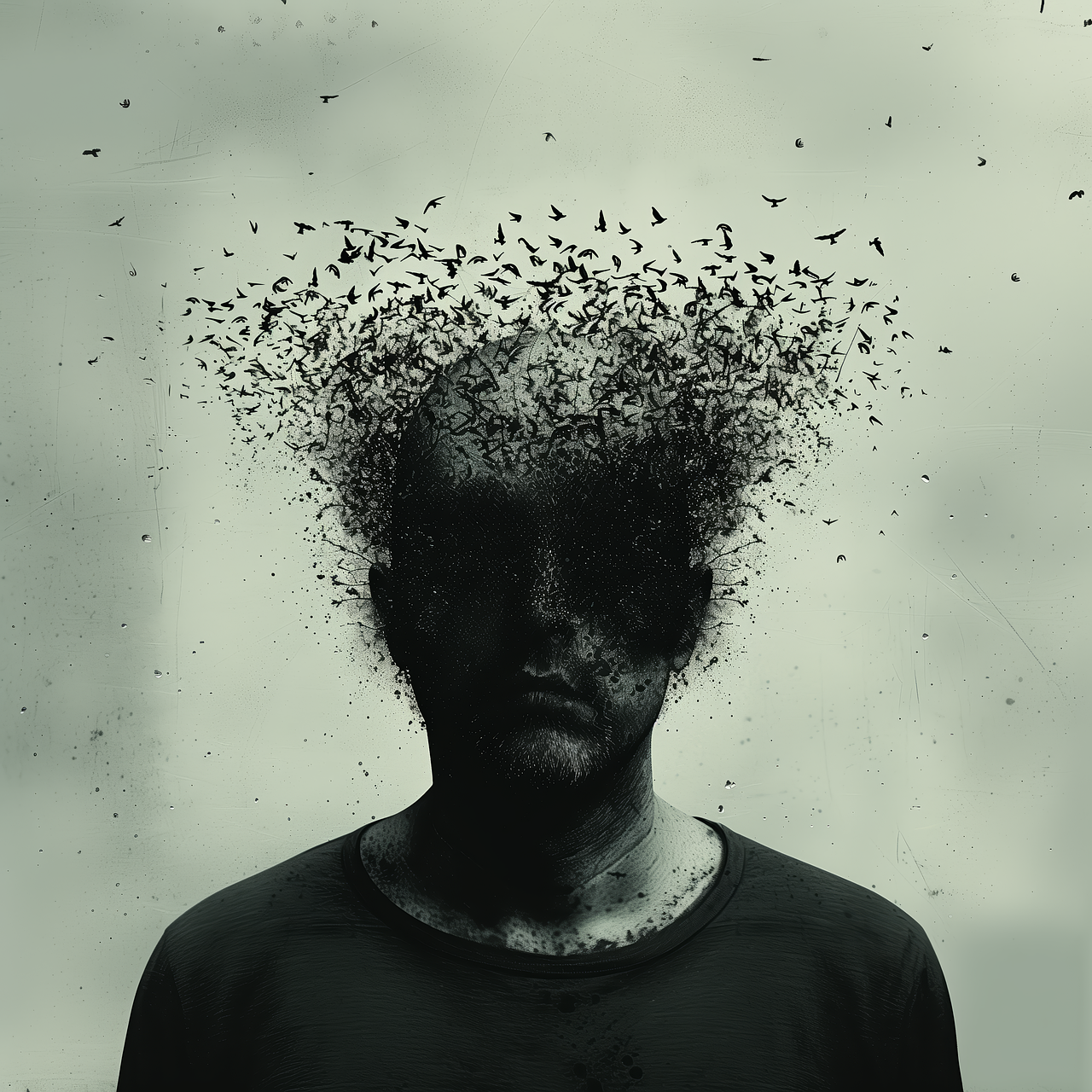
Scientists launch a comprehensive initiative to identify common genetic and behavioral pathways that could revolutionize treatment approaches

Key Takeaways:
- Schizophrenia and autism spectrum disorder share surprising neurobiological similarities despite different symptoms.
- A new research initiative aims to identify common genetic risk factors and brain mechanisms.
- Social communication deficits emerge as a key overlapping symptom domain.
Breaking Ground in Neurodevelopmental Research
A new research initiative published in Frontiers in Psychiatry is bringing together international experts to uncover the hidden connections between schizophrenia (SZ) and autism spectrum disorder (ASD). Despite having different neurodevelopmental onset and differential diagnostic criteria, these two distinct disorders share phenotypical biomarkers and underlying genetic risk.
This comprehensive research topic represents a paradigm shift in understanding these complex neurodevelopmental conditions, moving beyond traditional diagnostic boundaries to explore shared biological mechanisms that could transform treatment approaches.
The Surprising Connection: Social Communication Deficits
While schizophrenia is primarily characterized by delusions, hallucinations, and negative symptoms, and autism spectrum disorder involves social communication deficits with repetitive behaviors, researchers have identified a critical area of overlap. Both disorders have repeatedly shown shared deficits in social communication and social cognition.
This discovery has profound implications for understanding these conditions. The research reveals that individuals with autism may experience schizophrenia symptoms at higher rates than the general population, while those with schizophrenia who also show autism traits demonstrate markedly lower social functioning and cognitive deficits.
Advanced Neuroimaging Reveals Brain Similarities
The research initiative encompasses cutting-edge neuroimaging studies to examine commonalities and differences in brain structure and function. Scientists are using advanced techniques including:
- Structural and functional MRI to map brain connectivity patterns
- Electroencephalogram (EEG) and event-related potentials to measure brain electrical activity
- Magnetoencephalography (MEG) for precise timing of neural responses
- Prepulse inhibition studies to assess sensory gating mechanisms
These sophisticated neuroimaging approaches are revealing previously unknown similarities in how the brains of individuals with schizophrenia and autism process information, particularly in areas related to social cognition and sensory processing.
Genetic Foundations and Risk Factors
One of the most promising aspects of this research focuses on identifying shared genetic bases and risk factors between schizophrenia and autism spectrum disorder. Scientists are investigating how specific gene variants may predispose individuals to both conditions, potentially explaining the observed symptom overlaps.
This genetic research could lead to the development of precision medicine approaches, where treatments are tailored based on an individual’s specific genetic profile and symptom presentation.
Revolutionary Treatment Implications
By understanding and characterizing the distinct cognitive and behavioral characteristics within each disorder, there can be better differential diagnosis as well as the creation of specific treatment customization. The research aims to match specific symptom profiles with optimal treatment approaches, maximizing the chances of successful outcomes.
Potential treatment interventions being explored include:
- Social skills training programs targeting shared communication deficits
- Cognitive remediation therapies to address overlapping cognitive symptoms
- Virtual reality interventions for social cognition training
- Targeted psychopharmacological treatments based on shared neurobiological pathways
The Future of Personalized Mental Health Care
This research represents a major step toward personalized mental health treatment. The ultimate expectation is to predict treatment success by matching the endophenotype with treatment modality and maximize efforts for successful social functioning.
By identifying specific biological markers and symptom patterns, clinicians may soon be able to predict which treatments will be most effective for individual patients, reducing the trial-and-error approach that currently characterizes mental health treatment.
Collaborative Scientific Effort
The research initiative welcomes contributions from a diverse range of scientific disciplines, including neuroscientists, psychologists, psychiatrists, neurologists, molecular scientists, geneticists, and computer scientists. This interdisciplinary approach ensures comprehensive investigation of these complex conditions from multiple angles.
The collaborative nature of this research reflects the growing recognition that understanding complex neurodevelopmental disorders requires expertise from multiple fields working together toward common goals.
What This Means for Patients and Families
For individuals and families affected by schizophrenia or autism spectrum disorder, this research offers hope for more effective treatments and better understanding of these conditions. The findings may lead to:
- Earlier and more accurate diagnosis
- Personalized treatment plans based on individual symptom profiles
- Better understanding of symptom progression and prognosis
- Improved social functioning outcomes
- Reduced stigma through better scientific understanding
Looking Ahead: The Next Phase of Discovery
As this research initiative progresses, scientists expect to uncover new insights into the fundamental mechanisms underlying both schizophrenia and autism spectrum disorder. These discoveries could reshape our understanding of neurodevelopmental conditions and lead to breakthrough treatments that address the root causes rather than just managing symptoms.
The research represents a crucial step toward a future where mental health treatment is truly personalized, effective, and based on deep scientific understanding of the brain mechanisms involved in these complex conditions.
Story Source
Corbera, Silvia, Rafael Penadés, and Michal Assaf. “Editorial: Underlying Neurobiological, Genetic, and Behavioral Mechanisms in Schizophrenia and Autism Spectrum Disorder.” Frontiers in Psychiatry 16 (September 2025). https://doi.org/10.3389/fpsyt.2025.1694809.


Leave a Reply